usedVehicleChecks

Check a used car's mileage by VIN

We check:CarsSUVsTrucksVansbuilt from 1981 on
NMVTIS logo

Mileage and title data from over 50 sources

NMVTIS, state DMVs, auctions, listings, NHTSA recalls and NICB theft data.
UsedVehicleChecks reads the odometer history first

Each picture below is cut from one finished report, on a salvage-titled 2012 BMW 535i.

Also in every report

Sample report

Open a finished report first

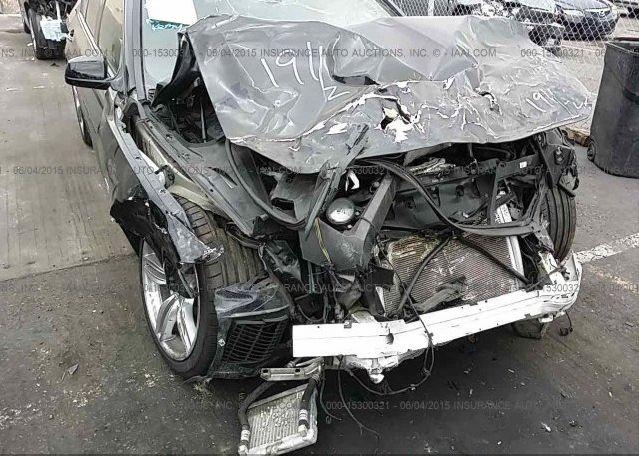
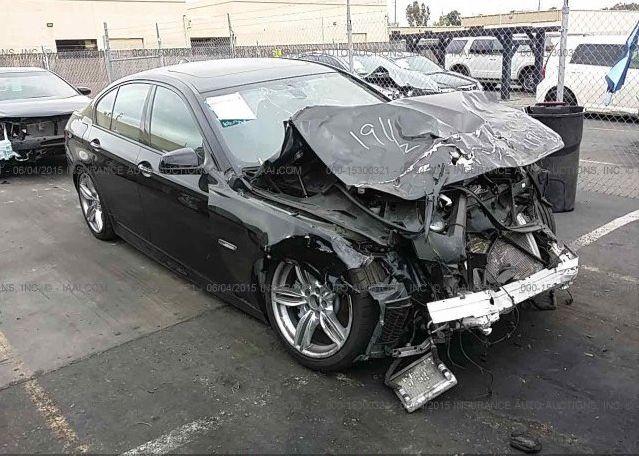
Read a finished report on a 2012 BMW 535i whose title was branded salvage, and see how mileage and damage entries are arranged.

  • Salvage title brand
  • 7 salvage and junk records
  • 2 reported accidents
  • 3 auction sales with 9 photos
Open the full sample report
The sample vehicle, a black 2012 BMW 535i, photographed in an auction yard with its front end crushedSAMPLE REPORT · AUCTION PHOTO
DAMAGE2 accidents
TITLESalvage
MILEAGE26,227 mi

2012 BMW 5-Series 535i

WBAFR7C57CC811956

D50/100
  • Title brandsSalvage · Junk
  • Salvage / junk records7
  • Auctions3 · last sold $8,800
  • Open recallsNone
See the full sample report
usedvehiclechecks.com/report/WBAFR7C57CC811956
SAMPLE REPORTBranded title · Salvage

2012 BMW 5-Series 535i

VIN WBAFR7C57CC811956

D50/100
Overall condition grade

5

Title records

4

Odometer readings

1

Brand records

7

Salvage / junk

0

Open recalls

0

Owners

3

Auctions

6

Sale listings

2 reported collisions · Front · Severe, Left side · Minor · Possible structural / frame involvement — get a professional frame inspection before buying.

Derived damage map

FRONTLEFT SIDE
Minor Moderate Severe

Estimated repair cost

$6,450–$10,100

Front · Severe
$3,750–$5,850
Left side · Minor
$550–$850
Mechanical / drivetrain
$2,200–$3,400

This VIN has no direct accident feed. The diagram and repair estimate are derived from the auction damage descriptors and salvage records found in this report. Estimate only, not a repair quote.

Real report, copied from the full sample. Not shown here: the 25-event timeline and the NMVTIS brand-code glossary.

Open the full sample report

Where the numbers come from

Mileage is only as good as the records behind it

Each VIN is matched against more than 50 sources, giving over 40 data points. These supply most of the odometer readings.

NMVTIS
The national title database, where brand codes and salvage or junk reports are filed.
State DMVs
Titles and registrations from the motor vehicle offices of all 50 states.
Auction records
Sale results, damage notes, the mileage logged that day and the lot photos.
Dealer and marketplace listings
Earlier ads for the same VIN, each with its price and the miles shown.
Service and inspection records
Maintenance, inspection and emissions visits, where a shop or agency reported the mileage.
Insurance databases
Claims and total-loss events tied to the vehicle.
NHTSA
Open safety recalls and the maker's decoded specifications.
NICB
Theft and recovery entries from the insurance crime bureau.

Finding the VIN

Where the 17 characters sit on a used car

Read the code off the metal, then compare it with what the seller hands you. No VIN contains an I, an O or a Q.

  1. 1

    Base of the windshield

    Crouch beside the driver's side and look in through the glass at the dash corner.

  2. 2

    Driver's door pillar

    Swing the door wide and find the label stuck to the frame edge.

  3. 3

    Seller's papers

    Title, registration and insurance card each carry the same string. Match all of them.

How it works

VIN in, mileage history out

  1. 1

    Type the VIN

    Drop all 17 characters into the box near the top.

  2. 2

    Look at the free preview

    Year, make, model and a tally of title, auction and recall entries appear before any payment.

  3. 3

    Buy the report

    Under a minute later it lands in your account, ready whenever you come back.

One payment per report, nothing recurring

Looking costs nothing. Bought packs keep their credits for a year.

Full pricing

Guides

Mileage guides for used car buyers

Questions

Questions about mileage and VIN checks

How does a VIN check expose odometer rollback?

Each reading on file is listed with its date. When a newer reading is smaller than an older one, either the dash was turned back or someone mistyped. Ask the seller about it.

Where do the mileage figures come from?

Titles and state DMV files, auction sales, past dealer and marketplace ads, and service, inspection or emissions visits when those were reported.

Could a clean title still hide wrong mileage?

It could. That is why brands, accidents and salvage entries sit beside the readings. Damage that does not fit the mileage trail deserves a closer look.

What if the report holds only a few readings?

The chart will have gaps and less to compare. Request maintenance papers from the seller and treat the dash figure as unconfirmed.

What does a report cost?

Previews are free with no card. A single report is $14.99, while packs of three, five and ten run $35.99, $54.99 and $89.99. You pay once, never monthly, and pack credits last 12 months.

Where on the car do I read the VIN?

Look through the windshield at the driver's side corner of the dash, or read the door jamb sticker. Your title, registration and insurance card print it too.

Which vehicles work?

Any car, truck, SUV or van built in 1981 or later, when 17-character VINs began, from all major makers.

Is the sample a genuine report?

Yes. It is built from a 2012 BMW 535i with a salvage title, and shows 2 reported accidents, 3 auction sales, 9 photos and 7 salvage and junk entries.

Check the miles before you pay

See what the records say about this car. The preview is free.

Find the VIN on the driver's door jamb, at the base of the windshield, or on the registration and insurance card.